Sleep deprivation fogs your mind, and all you crave are a few uninterrupted hours.
But what if there was a solution?
Ever heard of a night doula?
In this article, we’ll give you everything you need to know about what is a night doula and why they’re worth every $.
These postpartum supports offer more than just a helping hand; they bring peace, rest, and a touch of normalcy back into the lives of weary new parents.
So, what is a night doula?
A night doula is someone who provides care, support, and guidance to new parents and their infants during the night.
They are a mix between a night nanny and a baby nurse, stepping in so you can have some ‘me time’ and get some much-needed rest.
Unlike other types of doulas, night doulas specialise in overnight care, focusing on everything from feeding and changing diapers to soothing and settling your baby back to sleep.
They might even do your laundry and cook up a storm during the night.
How do they differ from other healthcare providers, like baby nurses, midwives and postpartum doulas?
Well, the key lies in their approach, areas of expertise and scope of practice.
While baby nurses and midwives have a medical or nursing background, focusing on the physical care of the baby, night doulas bring a more holistic support system into the picture.
They care for the baby but also provide invaluable support and advice to parents, helping them navigate the murky waters of early parenthood with confidence.

What are the benefits of a night doula?
When welcoming a night doula into your home, the benefits are significant.
Studies show that hiring a night doula is linked with huge improvements in parents’ sleep quality.
Getting good-quality sleep plays a pivotal role in recovery and adapting to parenthood once your baby is here.
Sleep affects everything from how you adjust to the mental challenges of your new role to physical healing after childbirth.
Parents also experience lower stress levels, reduced mood swings and even lower chances of postpartum depression.
A night doula’s assistance can help you have a deeper understanding of a baby’s cues and needs.
This understanding improves bonding, fosters secure attachments and promotes infant well-being, laying down a resilient foundation for the new family structure.
With the support of a night doula, parents are often better prepared to tackle the hurdles of having a newborn.
What do night doulas offer?
Newborn care
This includes the basics like feeding, diapering, and soothing.
Whether it’s mastering the art of swaddling or deciphering different cries, night doulas have the expertise to handle it all, ensuring your baby is content and well-cared for.
Sleep routine establishment
Night doulas are armed with strategies to help establish healthy sleep routines for your baby.
This benefits the child in the long run and also helps parents get more consistent rest.
Emotional support for parents
Transitioning to parenthood can be a rollercoaster of emotions.
Night doulas provide a listening ear and reassurance, making them a great source of emotional support during this vulnerable time.
Feeding support
Whether you’re breastfeeding, bottle-feeding, or a bit of both, night doulas offer guidance and support to make feeding a h*ll of a lot easier.
This can be particularly beneficial in the early days of establishing breastfeeding, offering tips and techniques to help both mother and baby.

Night feeding with your doula
Breastfeeding
Night doulas are well-versed in the ins and outs of breastfeeding, from helping maintain a healthy milk supply to offering latching assistance.
They allow mothers to breastfeed their babies during the night without fully waking, making it easier to drift back to sleep afterwards.
By handling the logistics—bringing the baby to you for feeding and then taking care of settling them back to sleep afterwards—the doula makes night-time breastfeeding an easier process for everyone involved.
Bottle feeding
Whether it’s expressed breast milk or formula, night doulas are great at handling bottle feeds.
They can prepare bottles, feed the baby, or support parents who choose to do so themselves, ensuring that babies receive the nutrition they need with minimal sleep interruption for parents.
The effects of sleep-deprivation
The impact of sleep deprivation isn’t just feeling tired.
As mentioned earlier, It can lead to a range of health and psychological issues, from impaired immune function to heightened stress and anxiety.
Health and psychological impacts
Chronic sleep loss can affect everything from your mood to your physical health, increasing the risk of conditions like obesity, diabetes, and heart disease.
It also takes a big toll on your mental health, with increased risks of postpartum depression, anxiety, and cognitive impairment.
How doulas help
By taking over night-time care duties, a night doula gives parents the opportunity to have longer stretches of undisturbed sleep.
This support can significantly reduce the negative effects of sleep deprivation, helping parents stay healthier and more emotionally balanced.
How much do night doulas cost?
Hiring a night doula can cost between $25 to $65 USD every hour.
This depends on where you live, how experienced the doula is, and what service they offer.
It might seem like a lot to pay, but when you think about the immense benefits they can have on your family’s health and happiness, many families find they’re worth every penny.
Some insurance companies are starting to cover the cost of hiring a doula as they’re recognising doula support as an essential service.
And if you don’t have insurance or your insurance doesn’t cover it yet, you can always ask for people to put money towards hiring a doula instead of buying you baby shower gifts.
Choosing your night doula
Finding the right night doula requires some research and thoughtful consideration. Here are some steps to guide you through the process:
Step 1 — Research
Start by exploring doula directories, such as blissfulbirths.co to find potential candidates.
These platforms can offer a wealth of information and make it easier to locate doulas in your area.
You can also ask your family and friends if they know any that they can recommend.
Step 2 — Interviewing
Once you’ve narrowed down your options, set up interviews with the doulas.
This is your chance to ask about their experience, approach to care, and availability.
It’s also an opportunity to get a feel for their personality and whether it fits with your family’s vibe.
Step 3 — Alignment with family values and needs
It’s important to find a doula that understands and aligns with your family’s values and needs.
Discuss your parenting philosophy, your expectations for night-time care, and any specific support you’re looking for.
Whether it’s experience with twins, knowledge of breastfeeding, or a gentle approach to sleep training, make sure your doula can meet your needs.
A happier and healthier postpartum
Thinking about hiring a night doula?
It might be the kind of postpartum support you need.
It’s not just an investment in sleep; it’s about making life with your little one smoother and happier.
Every family’s needs are unique, but a night doula adapts to yours, offering just the right kind of support.
So, if you’re on the fence, why not look into it?
A night doula might be just what you need to transform those tough nights into something a bit more manageable, letting you and your family enjoy this special time to the fullest.
]]>It’s an adventure filled with joy, challenges, and a steep learning curve.
This is why new parents are hiring postpartum doulas after their little one arrives.
So what is a postpartum doula?
A postpartum doula provides support to families that, let me tell you, is worth every penny.
They offer a range of services including emotional support, practical help around the home, insider tips on baby care and feeding and a h*ll of a lot more.
Ultimately, they’re there to help you find your feet in the first few weeks of parenthood.
Sounds like something you need?
We’ve broken down what is a postpartum doula and put together a list of 13 reasons why hiring one might just be the best decision you make for your family.
What is a postpartum doula?
A postpartum doula is a helping hand for new parents right after their baby is born.
They’re different from birth doulas, who are there during pregnancy and support the mother through the labour and birth of their baby.
Postpartum doulas are there immediately after the baby arrives and normally stay for 6 weeks postpartum.
Some doulas offer the whole package, pregnancy, birth, postpartum — the whole shebang.
So, what do they do?
A lot, actually.
They’re there to listen and give emotional support when things feel tough.
They can also do practical stuff around the house, like making meals, tidying up, and even looking after the baby so you can have a moment to yourself.
This can be really handy when you’re tired and trying to figure out ‘how to do the parenting thing’.
They know everything there is to know when it comes to taking care of newborns, from feeding to getting them to sleep.
But it’s not about doing things for you; it’s about teaching you and building your confidence.
They don’t do medical stuff but are all about support and care, making those first few weeks with a new baby a bit easier.
Reason 1: Emotional support
The days following birth can be emotionally intense.
You might feel joy, exhaustion, and everything in between.
A postpartum doula offers you and your partner emotional support.
They create a space where you can talk openly about how you’re feeling without fear of judgment.
Whether you’re dealing with the ‘baby blues’ or just need to vent about the day-to-day challenges of parenthood, a doula listens and understands.
Their presence provides reassurance, reminding you that you’re not alone and it’s okay to have mixed emotions during this time.
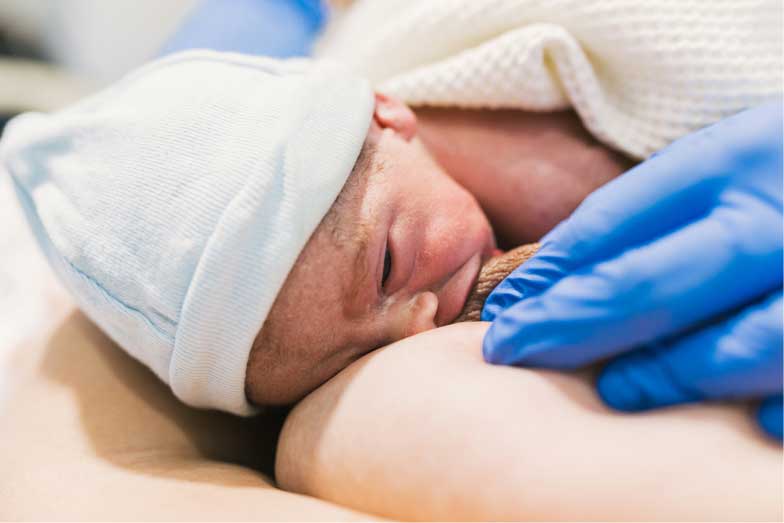
Reason 2: Breastfeeding guidance
It’s no secret that breastfeeding is hard work and can be filled with ups and downs.
From latching issues, painful nipples and leak disasters to concerns about milk supply and mastitis, it’s easy to throw in the towel.
Many postpartum doulas also have lactation support qualifications.
They can offer tips on positioning, advice on how to encourage a better latch and support to make breastfeeding more comfortable for both you and your baby.
Having someone to guide you through this process at home means you can find solutions that work for your unique situation, making breastfeeding a more positive experience.
Plus, their support can boost your confidence, helping you feel more connected to your baby.
Reason 3: Newborn care tips
I’m sure you’ve heard the term ‘Babies don’t come with instruction manuals’.
It’s true.
When it comes to taking care of a newborn, many parents feel like they’ve been given a Rubix cube and told to figure it out.
Postpartum doulas are great at giving simple, practical tips that make a big difference.
They can show you things like how to swaddle your baby, help you understand what different cries mean, and share ways to soothe your little one.
Reason 4: Coping with sleep deprivation
Lack of sleep is something every new parent goes through, but it doesn’t have to knock you off your feet.
Postpartum doulas have the best tips to help you handle it.
They can give you tips on setting up a good sleeping space for your baby and suggest routines to help your baby sleep better and longer.
They can also give you education about the benefits of cosleeping and baby massage.
Sometimes, they can even look after your baby while you get some much-needed sleep.
There are even special doulas that will stay awake during the night to be there for the baby and whatever they need.
These are called night doulas, and they are a godsend for sleep-deprived parents.
Once you find a rhythm that works for you, you’ll have more energy to tackle the new challenges that come with motherhood.
Not to mention sleep is one of the key ingredients to a speedy postpartum recovery.

Reason 5: Household help
A postpartum doula offers an extra pair of hands when you really need it.
They help with household chores like washing clothes, making healthy meals, or tidying up the house.
They might even walk your dog and take your other kids out for a bit.
All the things that you don’t have the headspace or energy to deal with in the weeks following the birth.
This kind of help is a big relief for new parents who are busy with their baby and might feel swamped.
It means you can spend more time with your little one instead of worrying about all the housework that isn’t being done.
Reason 6: Support for the whole family
A postpartum doula isn’t just there for the mum and bub.
They’re there for everyone in the family.
They can help partners too, giving them advice, showing them how to care for the baby, and even giving them tips on how they can support the mum better.
And for the other siblings? The doula can help them understand what is going on and how they can help out too.
This makes sure everyone feels more confident and supported.
Having a doula around can make the whole family’s adjustment to a new baby smoother and more positive.
Reason 7: Mental Health Awareness
Navigating the emotional rollercoaster after having a baby can be tough.
Doulas are great at spotting the signs of postpartum depression (PPD) and anxiety, which is a big deal because catching these feelings early makes a huge difference.
In fact, research shows that women who had doula support during labour, birth and postpartum saw a whopping 64.7% drop in the chances of experiencing postpartum anxiety or depression.
That’s impressive.
Doulas aren’t therapists, but they know the importance of getting the right help, and they also have an extensive list of contacts for times like these.
They can gently suggest seeing a professional if they think it’s needed, and help you find someone who you are comfortable with.
This makes it easier for parents to seek support in the early stages.

Reason 8: Physical Recovery Tips
Let’s be real, your body goes through a lot during birth, and the aftermath can feel like you’ve run a marathon, and then some more.
Doulas come armed with tips and tricks to help your body recover.
They can suggest comfortable positions for feeding your baby, show you gentle exercises to strengthen your core when you’re ready, and remind you to drink plenty of water.
They have secret remedies for sitz baths, steaming broths and delicious teas that make postpartum recovery a lot faster… and a bit more like a day at the spa.
They help you take it easy while encouraging you to take small steps towards recovery.
It’s not about rushing; it’s about finding the right pace for your body.
With a doula’s guidance, you can navigate the physical recovery process with a bit more ease and maybe even a few laughs along the way.
Reason 9: Nutritional Advice
Eating right after having a baby isn’t about getting back in shape;
It’s important to fuel your recovery and, if you’re breastfeeding, for milk production too.
Doulas can guide you through the maze of postpartum nutrition, suggesting meals that are not only nourishing but also boost your milk supply.
They know that a well-balanced diet can make a significant difference in how you feel and how well you can feed your baby.
Their advice is practical, focusing on foods that are easy to prepare and rich in the nutrients new mums need most.
With a doula’s guidance, you can ensure your body gets the right fuel to heal and provide for your baby.
Reason 10: Education on Baby Development
As I mentioned earlier, babies don’t come with manuals, but luckily, doulas pretty much serve as the next best thing.
They can teach you about the different stages of baby development, so you’re not left wondering why your newborn suddenly seems to think sleep is optional.
Plus, they’re like baby whisperers, able to tell you exactly what each cry means—hungry, tired, or in need of a clean nappy.
This is priceless, turning you into a bit of a baby whisperer yourself.
It’s not magic, just the wisdom passed on from someone who’s been there, done that, and got the baby vomit-stained T-shirt to prove it.

Reason 11: Community Resources
Finding your tribe as a new parent can feel a bit like online dating but without the awkward dinners.
Doulas are great at connecting you with local community resources and support groups, making it easier to find people who get what you’re going through.
They know all the best spots for parent-and-baby classes, breastfeeding support groups, and even coffee mornings.
With a doula’s help, you won’t just survive the early days of parenthood;
You’ll thrive, surrounded by a community of new parents who are going through it too.
Reason 12: Flexible Support Customised to Your Needs
Every family is unique, and doulas get that.
They’re like chameleons, adapting their support to match exactly what you need.
Whether that’s someone to talk to about your birth experience, a guide to your baby’s first weeks, or just an extra pair of hands when you’re at your wit’s end.
They can dial up the emotional support, share more practical baby care tips, or step back to give you space, depending on your day.
It’s this flexible, tailor-made approach that makes doula services so valuable.
You’re not getting a one-size-fits-all solution;
You’re getting the support that feels like it was designed just for you and your baby, making the whole parenting journey feel a bit more manageable.
And a lot less lonely.
Reason 13: Building Your Confidence as a New Parent
Becoming a new parent often brings a lot of self-doubt.
Research shows that hiring a doula postpartum helps to boost new mums’ (and dads’) confidence.
This kind of support is great for parents who feel a bit isolated or who don’t have much help.
Doulas are all about helping you trust yourself more.
They’re there to remind you that you’ve got this, what you’re going through is normal, you know your baby best, and you’re doing a good job.
This kind of encouragement is a big help for your mental health.
Parents who have a doula feel stronger and more sure of themselves, not just right after the baby is born, but as they continue on their parenting journey.

Finding the Right Postpartum Doula for You
Finding a doula that fits your needs can make a big difference in your postpartum experience.
Start by looking in local parenting groups or doula directories.
When you have a few names, reach out and ask them about their experience, how they support new parents, and what their approach to care is.
It’s important to choose someone who you feel comfortable with and whose views on caring for a newborn align with yours.
Asking the right questions is key to understanding if a doula is the right match for you.
Ask about their experience with breastfeeding support, how they handle situations where you and your baby are struggling, and how they can support your partner too.
You want someone who listens to your concerns and respects your choices.
When you find a doula who understands what you’re looking for and offers the support you need, you’ll feel more at ease and supported during this big change in your life.
Going It Alone Isn’t Your Only Option
Stepping into parenthood is a big move, and it’s totally fine if the idea of doing it solo is a bit daunting.
Remember, having a postpartum doula by your side can make a world of difference.
They’re there to guide you through the new terrain of caring for a newborn, lifting your spirits, and taking some of the weight off your shoulders.
From helping you understand your baby’s needs to boosting your confidence and providing much-needed reassurance, a doula’s impact is significant.
It’s about enhancing your strengths and giving you the support you need to thrive, not just survive.
And let’s be honest, everyone needs a bit of help sometimes.
If you’re considering a doula, why not reach out for a chat?
A consultation doesn’t tie you down to anything—it’s just a first step to see how a doula could fit into your family’s journey.
It’s about finding what works for you and embracing the support that could make all the difference.
So, take a breath and consider opening the door to a helping hand—you might just find it’s exactly what you need.
]]>There’s joy and excitement, but also worry and lots of questions and uncertainty.
You might have already heard of a birth doula but for those who don’t know what is a birth doula — a doula is someone trained to help and support women through childbirth.
They are there to answer questions, offer help, and make the process of giving birth a bit easier.
This article is here to share some clear facts about why having a birth doula can be a good idea.
We will talk about seven amazing benefits of hiring a birth doula during pregnancy, giving you helpful information to make good choices as you prepare for your baby’s arrival.
What is a birth doula anyway?
The birth doula, even though it has been around for centuries, is still quite a new concept that is just starting to become more well-known worldwide.
A birth doula is by your side every step of the way as you adventure through pregnancy and childbirth.
They’re there to provide emotional, informational, and physical support, making the journey a lot easier and less daunting.
Now, you might have heard of midwives and obstetricians too, it’s important to know the difference:
- Doula: They’re like your ultimate childbirth support. They offer support to you and your partner before, during and sometimes after birth. They also help you with breathing techniques and provide massages but keep in mind, they don’t offer medical advice.
- Midwife: They are medically trained to assist during pregnancy and actually help deliver the baby, especially in straightforward, low-risk births. Midwives work either in the hospital or as home birth midwives.
- Obstetrician: They are the doctors in the mix, handling pregnancies, deliveries, and everything that follows, especially in more complex or high-risk situations. These are the doctors who deliver babies via c-section.
The cost factor: is it worth it?
Hiring a birth doula comes with a price tag, and it can swing between $700 to $4,000.
Location, experience, and the services they offer play a big part in the cost.
If you’re in a bustling city, expect the cost to be on the higher side.
Insurance usually doesn’t cover doula services, but some doulas offer discounted rates depending on your financial situation so make sure you ask.
Though the initial cost might make you wince, think about the long-term benefits.
Having a doula by your side could lessen the chances of needing pricier medical interventions, not to mention a more positive birth experience.

The Science-Backed Benefits
Emotional and physical support
Having a birth doula by your side is like having a calming friend who knows the ropes.
They offer a reassuring presence that helps lower stress and anxiety during labour.
Their support isn’t just emotional; it’s physical too.
They are there to help with breathing techniques, and massages, and to help your partner support you throughout your labour.
Studies show that this emotional and physical support can actually shorten labour, reduce the chances of needing a c-section and make the overall childbirth experience more positive.
Enhanced communication with healthcare providers
The journey through childbirth can be a bit of a whirlwind, and having a doula can make the communication between you and your healthcare team smoother.
Doulas help bridge the communication gap between families and healthcare providers, ensuring that your wishes are heard and respected.
They can help explain medical procedures, encourage you to ask questions, and make sure you understand what’s happening every step of the way.
Especially for migrant women, bilingual doulas can help bridge linguistic and cultural gaps, making communication with the healthcare team easier and more effective.
Lowered risk of medical interventions
The presence of a doula during labour is like having an advocate who encourages natural birth methods, which often leads to a lower likelihood of medical interventions.
For instance, statistics indicate a significant reduction in the rates of C-sections when a doula is involved.
In one study, there was a significant reduction in cesarean rates and epidural use for pregnant women who were supported by a doula during their labour.
Also, having a doula can lead to fewer instances of forceps or vacuum extraction births, as they encourage and assist in natural birth techniques. They provide the necessary emotional and physical support, enabling a more natural flow of labour which often requires fewer medical interventions.

Reduced labour time
The emotional and physical support they offer helps to create a relaxed environment which is essential for a smooth labour process.
Studies have shown that the calming presence and the continuous support of a doula contribute to shorter labour times.
The stress-reducing effect of a doula’s support helps in promoting better progress in labour, making the experience less of a marathon and more of a sprint.
By keeping you relaxed and confident, a doula helps facilitate a quicker labour process.
Natural pain management
Doulas come equipped with a toolkit of non-medical pain management strategies that can be a game changer during labour.
They’re skilled in techniques such as breathing exercises, massage, and positional changes that can help manage the discomfort.
For instance, they may suggest different positions to help ease the pain and facilitate a smoother labour.
The effectiveness of these strategies is well documented.
Women supported by doulas have been found to use epidural and medical pain management less, thanks to the coping strategies provided by doulas during labour.

Postpartum support
Once the baby arrives, a doula doesn’t just pack up and leave.
They continue to provide invaluable support during the postpartum period too.
This support can range from giving advice on infant feeding practices like breastfeeding to offering tips and tricks for calming your newborn.
They also assist in emotional and physical recovery, ensuring new parents are coping well.
They might answer questions about infant care, provide recommendations, and sometimes even help with meal prep and light household chores.
Their expertise in maternal postnatal recovery, infant care, and breastfeeding, makes them a great support system for the entire family during this period of adjustment.
Positive birth experience
Hiring a doula can significantly enhance the overall birth experience.
They bring a calming presence and knowledgeable support that can make the process less stressful and more empowering.
Doula-assisted mothers were found to be four times less likely to have a low birth weight baby, and two times less likely to experience a birth complication involving themselves or their baby.
There’s a 31% decrease in the risk of being traumatised by the birth experience when a doula is involved.
The continuous support, the advocacy in communicating with healthcare providers, and the non-medical pain management strategies all contribute to a more positive and satisfying birth experience.
Plus, the postpartum support ensures that the positive experience extends beyond the delivery.
Unpacking your thoughts
As we wrap up this journey into the world of doulas, it’s a good time to sit back and reflect. Perhaps jot down any questions or thoughts that popped up while reading.
These notes could be a great starting point for discussions with a doula during your next consultation to make sure you find the right one for you.
Every pregnancy is a unique adventure with its own set of challenges and joys.
What’s most important is ensuring you have the right support to make the experience as comfortable and safe as possible.
Whether that support comes from a doula, a midwife, a doctor, or a combination, the goal is to have a positive, healthy birth experience.
So take your time, explore your options, and choose what feels right for you and your growing family.
]]>Thrilling, yes.
Unpredictable, absolutely.
A bit scary?
For many, it’s a hard yes.
But what if you had someone riding that coaster with you, guiding you through every twist and turn?
That, in a nutshell, is a doula.
A doula is the Gandalf to your Frodo—a wise guide who’s seen this adventure unfold countless times and knows the best paths to take.
They’re there to give you emotional support, share crucial knowledge, and, on occasion, massage your back in just the right way.
From home births to hospital rooms, they make the environment feel safer and more welcoming.
But here’s where it gets interesting: not all doulas are the same.
Yep, you heard it right.
There are several types of doulas to choose from, each offering something unique to your individual experience.
So how do you know which doula is the perfect fit for you?
Good question.
We’re about to explore the 6 main types of doulas out there.
Whether you’re pregnant with your first child, or adding another cub to your pack, you’ll find this guide useful.
So let’s get to it, shall we?

What is a Doula?
When it comes to childbirth, doulas are the unsung heroes in the room—well, next to you, of course.
They’re not nurses, and they’re not midwives.
Think of them as professional birth companions.
Their role?
To make your childbirth as smooth, memorable, and joyful as it can be.
Doulas are the multitaskers of the maternity world.
They offer emotional support, serve up evidence-based knowledge, and even get hands-on with comfort measures like back massages and aromatherapy.
If birth were a movie, doulas would be the amazing supporting actors helping you shine in the leading role.
Their presence has real benefits.
Studies show that having a doula by your side reduces the likelihood of medical interventions and increases your chances of a more satisfying birth experience.
So yeah, they’re a big deal.
Birth Doulas: Your Labour Cheerleader
Okay, so let’s break it down.
A birth doula is your dedicated sidekick during labour and delivery.
These are the people you want in your corner when it’s go-time.
Their mission is to make your birth as empowering and beautiful as possible.
Birth doulas are masters of adaptability.
Need someone to rub your back during contractions?
They’ve got you.
Want advice on different labour positions?
They know them all.
Feel like you can’t go on?
They’ll remind you of the inner warrior you truly are.
Why choose a birth doula?
Well, aside from the actual medical team, a birth doula is the only person in the room solely focused on you and your needs.
They don’t switch shifts or divide their attention.
From the moment those contractions start to the time you hold your baby, they’re by your side.
If that’s not VIP treatment, I don’t know what is.
Postpartum Doulas: Beyond the Delivery Room
You might think the doula’s job ends when your baby arrives.
You’re in for a pleasant surprise.
Meet the postpartum doula, your go-to person for that intense “what now?” phase right after giving birth.
This type of doula is like your own personal Google for all things baby and recovery.
Do you have questions about breastfeeding?
They’ve got answers.
Struggling to decode your newborn’s various cries?
They’re baby whisperers.
From meal prep to emotional support, they’re an extra pair of hands—and a listening ear—during a time you’ll need it most.
Some even offer overnight support so you can get your much-needed rest after the birth.
The best part: Postpartum doulas aren’t just for mum; they’re for the entire family.
They help ease the transition for everyone, including partners and siblings.
So if you’re asking why you’d want one, consider this: The post-birth period is as crucial and unpredictable as labour itself.
A postpartum doula is your safety net, ensuring you don’t just survive those first few weeks—you thrive.

Antepartum Doulas: Before Baby Comes
Think doulas are only for the big birth-day?
Think again.
Antepartum doulas, aka pregnancy doulas, specialise in the period before your little one arrives.
If you’re navigating a high-risk pregnancy, or you’re on bed rest, this is the doula for you.
Antepartum doulas are like a knowledgeable friend who’s been through it all.
They offer emotional support and provide evidence-based advice, sure.
But they can also help manage doctor’s appointments and serve as a liaison between you and your healthcare providers.
Why might you consider hiring an antepartum doula?
Pregnancy can be overwhelming, especially when complications arise.
An antepartum doula becomes your advocate, your supporter, and your coach, equipping you with the resources to make informed decisions.
They provide not just comfort, but confidence, at a time when you need it most.
Full-Spectrum Doulas: For Every Stage
A guide for every stage of your reproductive journey, from conception to postpartum and everything in between.
That’s a full-spectrum doula.
They’re the Swiss Army knife of doulas, skilled in offering emotional, informational, and physical support for a range of experiences like fertility struggles, abortion, or even infant loss.
Their all-encompassing support doesn’t stop at childbirth.
They stick around for postpartum check-ins, breastfeeding struggles, and even early parenting challenges.
They’re like your GPS for navigating life’s most complex and intimate moments.
Who should consider one?
If you appreciate continuity and the idea of having a single confidante throughout multiple stages of pregnancy and birth appeals to you, then a full-spectrum doula could be your match.
They’re especially beneficial if you’re navigating a complicated reproductive journey, where the path isn’t as straightforward as you’d hoped.
Adoption Doulas: Guiding Emotional Transitions
You might be surprised to hear that doulas also exist in the realm of adoption.
These professionals focus on guiding both birth and adoptive parents through the emotional rollercoaster of the adoption process.
An adoption doula is there for the tough questions, the complicated feelings, and the delicate dynamics between biological and adoptive parents.
They offer a safe space to process emotions and work through the complexities of the adoption experience.
They’re not just for the birth parent; they’re there to guide the adoptive parents too, ensuring a smoother transition for everyone involved.
Whether you’re a birth parent navigating the emotional terrain of giving your child a new home;
Or an adoptive parent seeking to understand the intricacies of this unique journey;
an adoption doula can be invaluable.
They offer support, understanding, and expertise when you need it most.

End-of-Life Doulas: A Tender Exit
Let’s shift gears and talk about a kind of doula you might not have considered: the end-of-life doula.
These individuals offer a different but equally essential kind of support.
They’re there to guide not just the person who’s at the end of their life journey, but also their families.
Their focus?
Making those final moments as peaceful and meaningful as possible.
An end-of-life doula helps in several ways, from planning the atmosphere of the room to facilitating conversations between family members.
They might help create a legacy project that allows the dying person to leave a piece of themselves behind, or simply be there to offer a listening ear and a comforting presence.
Why is this so crucial?
The process of dying is as natural as birth, yet it’s often surrounded by fear and uncertainty.
An end-of-life doula removes some of that mystery, offering peace and a sense of control in a situation where those things are hard to find.
By easing this critical transition, they provide a service that’s not just valuable but truly irreplaceable.
They remind us that even in the end, life’s transitions can be met with grace, dignity, and support.
How to Choose Your Ideal Doula
You’re sold on the idea of a doula, but how do you find the right one?
Start with the basics.
Is the doula certified?
What’s their experience level?
Then dig a little deeper, and book a call with them.
Think about your comfort—can you see yourself sharing intimate moments with this person?
Compatibility is key, as is their understanding of your unique needs and wishes.
Don’t rush the process; take your time to find someone who feels just right.
When it Comes to Your Journey, the Choice is Yours
No one knows you better than yourself.
So trust your instincts.
The right doula for you will fit seamlessly into your life, providing the support you didn’t even know you needed.
Your journey to parenthood, or through any life transition, is uniquely yours.
Make it a smoother, more fulfilling ride with the doula that’s right for you.
]]>It all starts with that little voice in your heart telling you that you want to guide and support new parents during one of the most transformative periods of their lives: the postpartum phase.
You’re eager and full of empathy, but perhaps a little unsure about how to become a postpartum doula, and that’s completely normal.
Becoming a postpartum doula is a journey that requires training, dedication, and a deep love for caring and helping others.
That’s why we’ve put together this guide.
As you make your first steps towards this rewarding and life-changing career, I want to provide you with a roadmap.
One that helps ease doubts, boosts your confidence and moves you closer to your dream.
Let’s jump in.
Step 1 – The role of a postpartum doula
Before diving headfirst into doula training and certification, it’s important to fully understand what a postpartum doula does.
A postpartum doula provides evidence-based information on aspects like infant feeding, mother-baby bonding, and basic newborn care.
They also offer light housekeeping, meal preparation, sibling care, and, most importantly, emotional support.
This role is about “mothering the mother”, helping her feel more confident and less overwhelmed during the transition into life with a newborn.
A postpartum doula’s work goes far beyond basic postpartum care; it encompasses nurturing the entire family during a significant and delicate period of adjustment.
Step 2 – Skills and traits needed
So, you’ve got the passion, but what about the personality traits and skills required to be a great postpartum doula?
Let’s break it down.
First off, empathy and compassion are two biggies.
Remember, you’ll be working with new moms who might be going through a whirlwind of emotions, from pure joy to post-birth exhaustion and everything in between.
So being someone who can truly understand and connect with what they’re going through is key.
Next up, patience.
Babies, bless their hearts, don’t operate on anyone’s schedule but their own, so be prepared to help the parents in every way possible as they get used to their new rhythm.
And let’s not forget about those darling, yet sometimes demanding, siblings who are adjusting to the new family dynamics.
Being patient, calm, and collected, even in the middle of late-night fussiness or toddler tantrums, can be a game changer.
Lastly, being an excellent communicator can make a world of difference.
Whether it’s listening to a mother’s worries, explaining a baby’s feeding cues, or chatting with other family members.
Your ability to convey information clearly and warmly is a superpower in this line of work.
While you might not be a pro at all these yet, that’s okay.
Skills can be learned, and traits can be developed.
What’s important is your readiness to grow and adapt.
Step 3 – Training and Certification
Completing your certification not only gives you the knowledge and skills needed to give the best care, but it also reassures your clients that you’re well-trained and competent.
There are so many online and in-person certification programs available no matter where you are located.
Many require a blend of self-study, attending births, and in-person workshops.
The cost varies, but think of it as an investment in your future.
Some programs even offer scholarships or payment plans.
But how do you choose the right one for you?
This is a question I hear a lot.
The key is to look for a program that covers everything from the physical recovery of a new mom to newborn baby care and breastfeeding support.
It’s also a good idea to find a program that offers a balance of theoretical knowledge and hands-on experience.
Different courses focus on different areas more than others and teach only certain viewpoints, so make sure to do your research and read reviews from previous students.
Remember, the road to becoming a doula isn’t just about checking boxes; it’s about finding a program that resonates with your values and prepares you for your doula duties.

Step 4 – Getting hands-on and building connections
This is where the real fun begins – gaining practical experience.
You’ve got your theoretical knowledge in your pocket, now it’s time to put it to work in the real world.
We know, this might feel like a huge step, but remember, every expert was once a beginner, just like you.
So, where do you start?
Volunteering is an excellent first step.
Look for opportunities at local hospitals or women’s shelters – places that’ll welcome your newly learned skills with open arms.
If you have friends or family with a new little bundle of joy, offer them your services.
This is a great way to build confidence, refine your skills, and get constructive feedback.
Another key ingredient to a successful career as a postpartum doula is building a strong network.
Join local doula groups on platforms like Facebook and LinkedIn.
These communities are filled with advice, opportunities, and supportive doulas who know exactly what you’re going through.
They’re places where you can share experiences, ask questions, and maybe even find a few doulas to work with.
Take the initiative and reach out to experienced doulas in your area.
You’d be amazed how many of them would be thrilled to mentor someone as dedicated and enthusiastic as you.
Start an Instagram account or a simple website documenting your postpartum doula services.
Showcase your wisdom, share your experiences, and let your passion beam through every post.
This not only helps potential clients find you, but it also cements your credibility in the field.
Sure, this journey is not going to be a walk in the park, but remember, every step (or baby step, if you will) takes you closer to your goal.

Step 5 – Establishing Your Doula Practice
Congrats, you’ve made it this far.
Now it’s time for the big leap—establishing your own doula practice.
Now, let’s not sugarcoat it, this step might seem a little scary.
You’ll be dealing with new responsibilities, and it’s natural to feel a bit of jitters.
But It’s also incredibly exciting and rewarding.
You are about to make a real difference in people’s lives.
The first thing you’ll want to do is decide how you want to structure your practice.
Will you work solo, or join a doula collective?
Then, focus on the details like setting your fees, determining your service area, and planning your availability.
Remember, it’s okay to start small and grow your practice over time.
Marketing is another important aspect.
Word of mouth, social media, and professional networks can be great ways to spread the word about your services.
Start by sharing your new journey with family, friends, and anyone else who will listen.
My family and friends were so helpful.
Sure, there will be some challenges.
You might encounter long hours, emotional demands, and the occasional difficult client.
But the rewards are priceless.
Seeing a new mom gain confidence, helping a family adjust to their new dynamics, and getting to cuddle cute newborns—these moments make it all worth it.
Your journey starts now
Whew, that was a lot to take in.
But you’ve already taken the first step.
You’ve shown an interest, a passion for this path.
Becoming a postpartum doula is a journey filled with growth, learning, and unforgettable moments.
Yes, there will be bumps in the road, but remember, the most rewarding paths often have a few.
This journey is yours, and every challenge you overcome will make your work as a postpartum doula even more rewarding.
Your empathy, your passion, and your willingness to make a difference are all you need to excel in this path.
Ready to take the first step towards this rewarding career?
Start exploring, start learning, and before you know it, you’ll be ready to make a world of difference as a postpartum doula.
]]>It’s an exciting, important decision and a little daunting, I bet.
Sorting through profiles, trying to figure out who will be the best fit for your big moment.
It’s kind of like trying to find that one book in a huge library.
You know it’s there, but where do you start? And what questions to ask your doula when you find them?
Let’s tackle this together because finding the perfect doula is absolutely possible.
With a good set of questions, you can cut through the fog of uncertainty and find the doula that is just right for you and your family.
In this article, we are going to delve into 27+ must-ask questions to ask your doula before you hire them.
These questions are geared to give you a well-rounded understanding of each potential doula’s training, experience, style, and so much more.
Let’s get into it.

Questions to ask your doula about their training and experience
You’re inviting this person into one of the most intimate experiences of your life.
It’s a good idea to know they’ve got the right mix of professional knowledge and hands-on experience to guide you through it.
- What kind of training have you received?
- How long have you been a doula, and how many births have you attended?
- Have you ever assisted in a birth situation similar to mine (e.g., VBAC, twins, high-risk pregnancy)?
- What was your most challenging birth situation, and how did you handle it?
- Do you have experience with hospitals, birthing centres, and home births?
Questions to ask your doula about their approach and philosophy
This isn’t just about birth – it’s about YOUR birth.
You deserve to have someone by your side who aligns with your values and supports your birth preferences.
Whether you’re planning a home birth, hospital birth, natural, or medicated – it’s all up to you.
If a doula’s approach doesn’t vibe with yours, things can get pretty awkward, pretty fast.
- How would you describe your doula style or approach?
- What’s your philosophy on childbirth?
- How do you incorporate the partner into the birthing process?
- How do you support moms planning for a natural birth or a medicated birth?

Questions to ask your doula about their services
Not all doulas offer the same services.
Some might be there for you during labour, but what if you want someone to help you navigate those exciting but chaotic first few weeks postpartum?
Or perhaps you’d like prenatal visits to prepare for the big day.
It’s all about finding someone whose services align with your unique needs.
- What specific services do you offer (e.g., prenatal visits, labour support, postpartum care)?
- How do you handle back-to-back births, or if you’re unavailable?
- Do you have a backup doula if you can’t attend the birth?
- If so, will I get a chance to meet them?
- What’s your policy on when you join labouring mothers?
- How will we communicate before, during, and after the birth?
Questions to ask your doula about their relationship with medical professionals
Your doula will be a vital part of your birth team, working alongside doctors, nurses, or midwives.
You want someone who can navigate this medical world with ease and confidence, respecting their expertise while also advocating for your wishes.
We’ve all heard stories where medical lingo becomes overwhelming, or situations become stressful – this is where your doula comes in.
If they’ve got a good rapport with healthcare providers, it can help make your birth experience smoother and more positive.
- Have you worked with my healthcare provider or at my chosen birthplace before?
- Which birthplaces do you have experience with?
- How do you work with and communicate with healthcare professionals during the birth?
Questions to ask your doula about postpartum support
That tiny little human you’re about to bring into the world – they’ll need loads of care, and you’ll need some TLC too.
That’s where postpartum support can be invaluable.
Having a doula to guide you through breastfeeding (if you choose), navigate sleep patterns, or even spot signs of postpartum depression, can make a huge difference.
- What postpartum services do you offer, if any?
- How can you support me in breastfeeding if I choose to do so?
- Are you trained in spotting signs of postpartum depression?
Questions to ask your doula about the contract and fees
When you’re hiring a doula, it’s super important to dive into these details.
You want to be absolutely clear on what you’re paying for, what services are included, and what happens if things don’t go according to plan.
The more you know up front, the fewer surprises later.
- How much do you charge, and what does that include?
- Are payment plans or sliding scales available?
- What is your refund policy if you miss the birth or we decide to part ways?
- Do you have a contract we can review?
Questions to ask your doula to gauge personal compatibility
You’re looking for someone who not only knows their stuff but who you genuinely click with.
You’re looking for a doula you’d feel comfortable having in your personal space when you’re at your most vulnerable.
You also need a doula who resonates with you and understands your needs, fears, and dreams.
Studies actually show that mothers who have support from a doula have a lower rate of interventions, shorter labours, and have better birth outcomes.
- Can we meet in person (or via video call) before making a decision?
- What’s the best way to reach you, and how quickly do you respond?
- How do you handle stress during labour and delivery?
- How can you help me cope with my fears about childbirth?
- How do you take care of yourself during long labours?
- What do you love most about being a doula?
Time to find your doula
Alright, we’ve covered a lot of ground with these questions, haven’t we?
But, don’t worry, you’re not supposed to memorise them or anything.
Consider this your handy guide to navigating those doula chats.
And yes, it can feel a bit like you’re interviewing someone for a job – because you are.
And it’s a pretty important one at that.
So, keep this guide close and lean on it when you’re unsure of what to ask next.
Remember, finding the right doula might take a bit of time.
But in the end, it’s totally worth it.
So here’s to finding that perfect fit, the doula who’ll help make your birth experience everything you hope it can be.
]]>But how do you even begin to choose which one is right for you — there are SO many out there to choose from.
In this ultimate guide, we’ll delve into the world of baby carriers, exploring my top 7 best baby carriers that I have personally tried and tested.
But first, let’s cover the basics.
What should you consider when selecting a baby carrier?
Comfort, support, weather suitability, and age appropriateness are key factors.
We’ll dive deeper into these factors and more as we unveil the best baby carriers for effortless parenting.
Babywearing not only increases bonding between parent and bub, but it has some amazing health benefits for both you and your baby.
The days of juggling tasks while carrying your little one are about to become a lot easier.
Buckle up (or should we say, strap in?) as we embark on this exciting journey to find the best baby carrier for you and your precious bundle of joy.
What is a baby carrier?
Before we dive into the world of baby carriers, let’s start with the basics.
A baby carrier is a specially designed device that allows you to carry your baby while keeping your hands free.
It’s like having a cosy, portable nest for your little one right against your chest or back.
Baby carriers come in various styles, each with unique features and benefits.
What are the benefits of babywearing?
Babywearing isn’t just a trend—it’s a game-changer for parents and babies alike.
When you wear your baby, you increase sink-to-skin contact, create a deep bond, and foster a sense of security.
It promotes early attachment, boosts breastfeeding, enhances the baby’s cognitive and motor development and reduces the likelihood of developing postpartum depression.
Plus, it frees up your hands, allowing you to tackle daily tasks while keeping your baby close and content.

What are the different types of baby carriers?
When it comes to baby carriers, there’s a wide variety to choose from.
You’ll find carriers suitable for newborns and others designed for toddlers.
Different types include ring slings, wraps (stretchy, hybrid, woven), soft structured carriers, and specialised hiking and travel carriers.
Each type offers unique benefits, such as adjustability, breathability, and versatility to adapt to different weather conditions.
Facing in vs facing out carriers— which one is better?
One common question parents have is whether their baby should face inwards or outwards in the carrier.
While both have their merits, facing inwards is generally recommended for newborns and younger babies.
It provides optimal head and neck support and promotes a cosy, secure environment.
As your baby grows older and gains more neck control, facing outwards can be introduced for short periods to allow them to explore the world around them.
What are the different factors to consider when choosing the best baby carrier for you?
Choosing the perfect baby carrier requires considering several factors.
First, think about your baby’s age — some carriers are specifically designed for newborns, while others cater to older infants and toddlers.
Additionally, consider the weather conditions you’ll encounter.
Look for carriers suitable for warm weather or those with additional features for cold climates.
Finally, think about your lifestyle — are you looking for a carrier that’s great for hiking and travel or one that’s perfect for everyday wear and lightweight?
Best wrap baby carrier

Konny baby carrier flex elastech
My favourite wrap baby carrier had to be the Konny Baby Carrier Flex Elastech.
I had a hard time choosing my favourite wrap baby carrier because there are SO many out there.
But when I came across the Konny Baby carrier, it was definitely a winner.
As a busy parent, I loved how this wrap-style carrier made life easier and comfier for both me and my little one.
The polyester-cotton-spandex blend was soft, but the synthetic material wasn’t as breathable as bamboo or linen ones.
I found a lot of the other ones were quite difficult to figure out, but the Konny baby carrier was really easy to slip on over your head and go.
no belts, buckles, or complicated wraps!
The weight distribution was spot-on, alleviating any back or body pain I experienced with some of the others.
It was so easy to work around the house while keeping my baby close and content.
Best ring sling baby carrier

Nalakai ring sling
The Nalakai ring sling was also a hard one to choose, but there were a few things that really made this one stand out from the rest.
- It was made with bamboo and linen blend so it was super soft and gentle on both mine and my baby’s skin – most of the other ones I tried were either synthetic or rough linen.
- Bamboo is also well known for its temperature-regulating properties, which was a big thing for me. As many of you would know, babies, especially newborns, can’t regulate their body temperature very well. The bamboo blend of the Nalakai ring sling managed this really well.
- Lastly, 5% of profits go to families in need through Cepia, helping support those less fortunate. If there’s something that you should know about me, is that I’m big on giving back. I believe that giving to the less fortunate can help in so many ways.
I love ring sling baby carriers because of their design.
They are designed to carry babies in the safest carry position for correct hip development.
They’re also really easy to use and adjust.
Best soft structured baby carrier

Ergobaby omni 360
With soft structured baby carriers, I actually couldn’t find one that I liked.
I’ve always found them so chunky and hot.
I chose the Ergobaby Omni 360 as my favourite soft structured baby carrier firstly because it’s super light and not too bulky with extra nick-nacks.
The shoulder straps can be crossed over, and it’s quite comfortable compared to some other ones I tried.
I loved that this baby carrier is one that grows with your baby – you can use it from the very beginning until the very end, and you can wear it so many different ways.
I found this baby carrier quite versatile in the way that it can be used to pop out to the shops, go out to lunch with your friends, travelling and even short hikes.
It saves you from having to buy several different carriers, which is a bonus.
The last feature I loved was the built-in hood which provided extra sun protection for my little one and offered privacy for breastfeeding.
Definitely, my recommendation if youre looking for something a little more versatile than the last two mentioned.
Best hybrid baby carrier
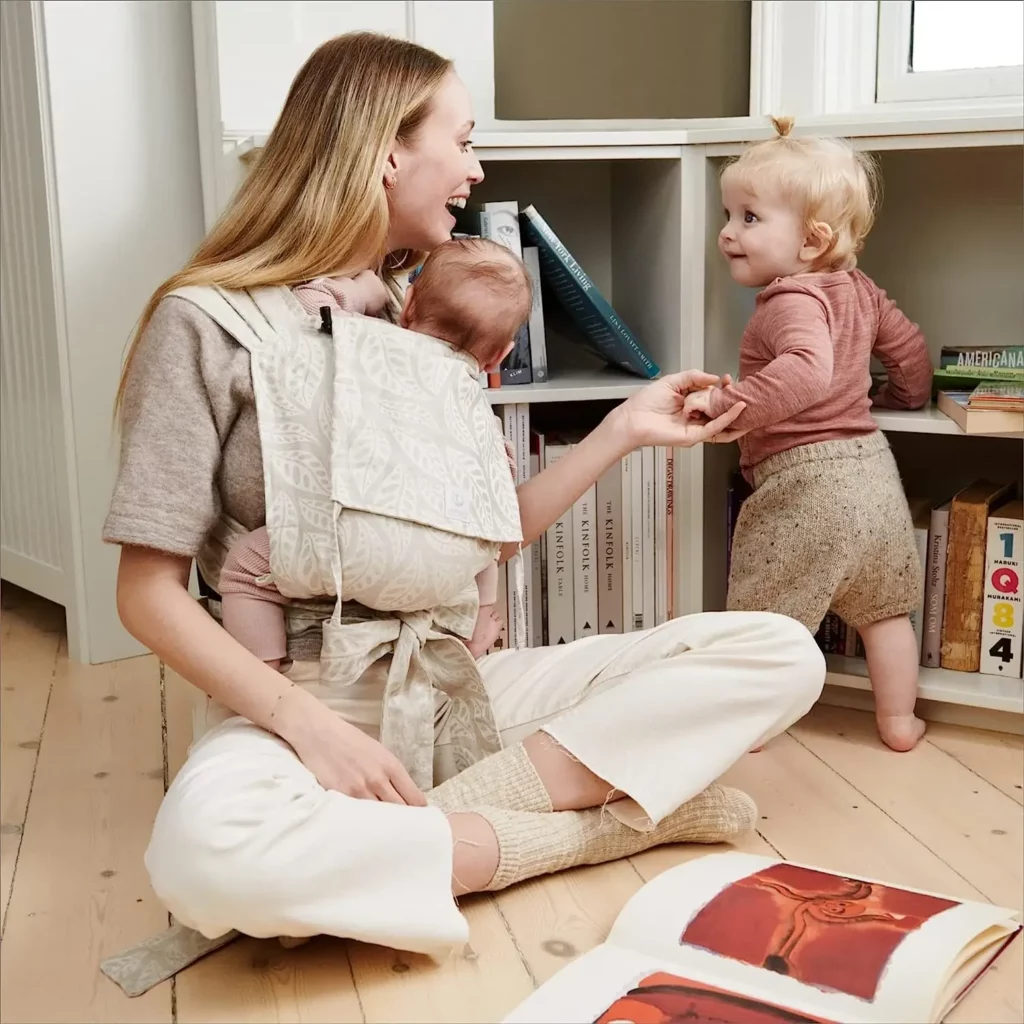
Stokke Limas Carrier
Let’s talk about hybrid baby carriers… what exactly are they?
Well, they are a mix between a wrap and a soft structured baby carrier.
They have a few more clips and a lot less bulk.
In other words, if you’re looking for something a bit more hardy and supportive than the wrap or sling carrier but you don’t want something quite as bulky as a soft-structured one, this is the perfect baby carrier for you.
After trying about three different hybrid baby carriers, I found the Stokke Limas Carrier, and I knew it was a keeper.
It has three carrying options: front, back, and hip.
So you can choose what works best for you.
And just like the Omni 360, it grows with your baby.
You can start using it from birth up to 33 lbs.
The Stokke Limas Carrier comes in so many beautiful designs, so you’re really spoilt for choice.
However, I have to admit, the cotton material, while marketed as “soft,” leaned towards the scratchier side for me.
Keep that in mind if your baby has sensitive skin.
Overall, this hybrid baby carrier was definitely one I had to include on my list.
If you have an active lifestyle and you find you’re out of the house and babywearing a lot, this is definitely one I would recommend for you.
Best hip baby carrier

TushBaby Hip Seat Baby Carrier
I’m sure a lot of you know the pain and exhaustion that comes with having a toddler, especially one that is always wanting to be carried.
Your back, hips and arms get so sore and tired… no you’re not getting old, we are all in the same boat.
If you haven’t tried a hip baby carrier, I would definitely recommend the TushBaby seat baby carrier.
I was sceptical at first, thinking, “This isn’t even going to work”.
But let me tell ya, it was actually so handy.
While the carrier doesn’t offer complete hands-free freedom since you still have to hold your baby upright, it’s worth mentioning that it significantly reduces painful spine curvature.
Trust me, that relief alone is priceless.
And it was surprisingly light and made it so much easier to carry my little one without tiring so quickly.
As your little one grows and starts to run around, sometimes you need something that you can just pop on.
Although the storage pockets weren’t large enough to carry things like nappies for an entire day, they were still handy for essentials like keys and a phone.
Best hiking baby carrier

Osprey Poco Plus Child Carrier
As I mentioned earlier, babywearing can actually do wonders for your child’s development.
It’s true!
A great way to stimulate you’re child’s brain is to taking hiking
Recently, my husband and I and been getting more into hiking… for hours.
At first, we tried to go with the soft structured baby carrier but it got a little uncomfortable after a while and so we decided it was time to invest in a proper hiking baby carrier.
And hiking baby carriers are definitely an investment.
The one we finally decided to buy after looking for a few weeks was the Osprey Poco Plus Child Carrier.
I don’t regret my decision…
One of the things we loved about the Poco Plus is its great features.
It has a built-in sunshade so you can make sure your little one is safe from the sun.
Plus, it has a drool pad that is removable and washable, which is a total sanity-saver when they’re going through their teething phase.
The Osprey Poco Plus baby carrier is also super comfortable with tonnes of padding and even has adjustable foot stirrups for growing little ones.
This carrier has plenty of space to stash extra snacks and layers, making it perfect for all our hiking essentials.
Rain or shine, the Poco Plus was up for the challenge.
I have to say, it’s worth every penny.
Best front-facing baby carrier

BabyBjörn Baby Carrier Mini
Last but definitely not least on our list is the BabyBjörn Baby Carrier Mini, a great choice if you’re looking for a front-facing baby carrier.
The first thing that caught my attention was its perfect design for newborns.
Yes, I know what you’re thinking… newborns aren’t meant to sit front-facing.
You’re also able to use this baby carrier as a normal soft structured baby carrier which I found really handy.
The adjustable seat and head support provide good support for your baby as they grow, and it was so easy to put on and take off.
The materials were ultra-soft and lightweight, not to mention machine-washable.
The last thing you want is a messy mishap in a baby carrier that you can’t clean.
The BabyBjön baby carrier mini was great for both hot and cold climates and also appropriate for strolling on the beach or carrying around the shops.
So, if you’re looking for a front-facing baby carrier that checks all the boxes, the BabyBjörn Baby Carrier Mini is a top contender.
It’s perfect for newborns up to approximately 12 months, making it an investment that lasts.
Time to find the perfect baby carrier that suits your needs
As we wrap up this ultimate guide to choosing the best baby carrier, I hope you’re feeling more confident about finding the one that’ll suit you.
We’ve explored some great options to suit different needs and conditions.
Remember, when you’re choosing the right baby carrier for you, babywearing not only strengthens the bond between parent and child.
It also offers remarkable health benefits for both of you.
Baby barriers also make the perfect baby shower gift.
The convenience of having your hands free while keeping your baby close is truly invaluable.
So, embrace the joy and ease that a well-chosen baby carrier brings to your daily routine.
]]>Just like birth doulas support people through the birthing process, death doulas are people provide holistic support through the final chapters of a person’s life.
What is a death doula?
When it comes to navigating the difficult journey of end of life, it can feel like being at a crossroads with no clear map.
That’s where a death doula (also known as an end-of-life doula) steps in – your caring companion and guide.
Think of them as experienced travellers who hold your hand, providing the emotional, spiritual, and practical support needed during this complex time.
What does a death doula do?
So, what exactly does a death doula do? Well, their role is as diverse as the colours of a vibrant sunset.
Above all, they are there to offer comfort, understanding, and companionship to both the individual facing a terminal diagnosis and their family.
They educate you about the death and dying process and help you navigate the challenging waters of this journey.
Assisting with end-of-life wishes and even helping organise meaningful legacy projects for those who want to leave behind something truly special.
Imagine having someone by your side who not only listens but truly understands the rollercoaster of emotions you and your loved ones are experiencing.
A death doula can be that guiding light, offering a supportive presence throughout the entire process.
They provide a shoulder to lean on, a listening ear when words are hard to find, and a source of strength during the most challenging moments.
In addition to emotional support, death doulas are skilled in addressing practical matters.
They can help you navigate the overwhelming logistics of a terminal diagnosis, assist with creating a personalised end-of-life plan, and offer guidance on resources available to you.
Whether it’s coordinating medical appointments or connecting you with relevant support networks, a death doula is your knowledgeable ally, ensuring you have the information and assistance you need.
One aspect that sets death doulas apart is their dedication to honouring your loved one’s final wishes.
They understand the importance of creating a meaningful and dignified end-of-life experience.
Whether it’s arranging for specific rituals, supporting the exploration of spiritual or existential questions, or helping to capture and preserve precious memories, a death doula is there to ensure that your loved one’s journey is deeply respected and celebrated.
When considering the invaluable role of a death doula, it’s important to recognise that their support extends beyond the individual who is facing the end of life.
They also provide essential guidance and comfort to family members, offering them solace during a time filled with uncertainty and grief.
Their presence can help alleviate some of the burdens that come with caregiving, allowing family members to focus on cherishing their time together.

Hospice Nurse vs death doula: what’s the difference?
Another healthcare professional that you might have come across in your search for end-of-life support is the Hospice Nurse.
What’s the difference?
The Hospice nurse brings their expertise in palliative care, such as pain management, symptom control, and medical support.
They monitor vital signs, administer medication, and collaborate with the rest of the hospice and palliative care team to ensure your loved one’s physical needs are met.
If you’re looking at finding a palliative care nurse to care for your loved one, the National Hospice and Palliative Care Organization has an extensive list of providers.
On the other hand, the death doula brings their unique set of skills in emotional support and spiritual guidance.
They create a safe and nurturing space for your loved one to express their fears, hopes, and desires.
They help facilitate important conversations, offer companionship, and provide the gentle reassurance that comes from having a caring presence during this profound transition.
While the hospice nurse focuses on the medical aspect, the death doula works side by side, addressing the emotional and spiritual dimensions of the end-of-life experience.
They complement each other, working together to ensure your loved one receives comprehensive and holistic care.

Finding the right death doula for you
Alright, so you’re ready to explore the world of death doulas, and you’re wondering where to start.
In your search to hire an end of life doula, you may come across terms like death coach or end-of-life coach – different names, but essentially referring to the same compassionate and dedicated professionals who walk this path alongside you.
While their roles may differ slightly, their core mission remains constant: to provide unwavering support during this significant chapter of life.
Reputable websites like the National End-of-Life Doula Alliance (NEDA), the International End-of-Life Doula Association (INELDA), or the Doula Program to Accompany and Comfort have doula directories that can guide you in the right direction.
When it comes to choosing a death doula, it’s important to ask some questions.
You might want to ask them about their training and experience.
What got them into this line of work? How do they handle the emotional aspects of their job? What kind of support can they offer you or your loved one?
And, of course, don’t forget to talk about the nitty-gritty, like fees and availability.
Finding a death doula is a personal journey, so take your time.
How to become a death doula?
Alternatively, if you’d like to become someone’s angel in their end of life journey and are looking at how to become a doula, you’ll need the right knowledge and training.
Several institutions offer courses that can equip you with the skills to provide compassionate end-of-life support.
The Peaceful Presence Project provides comprehensive training programs, teaching the essentials of being a death doula.
Another option is the Doula Program to Accompany and Comfort, which offers training and certification or volunteer programs for those interested in this unique field.
Additionally, NEDA also provides resources and guidance for aspiring death doulas.
By enrolling in these courses and organisations, you can gain the necessary expertise to make a meaningful difference in the lives of many.
The unsung heroes of the final hour
As you embark on this journey, know that there are caring individuals out there, like death doulas and doula hospice care, ready to be your guides and allies.
Their expertise, empathy, and practical assistance can make all the difference in creating a meaningful and peaceful end-of-life experience for your loved one.
Take comfort in knowing that you don’t have to navigate this challenging road alone – a death doula is there to help you find your way, providing the care and support your family deserves.
From the cosy comfort of doula hospice care to the raw and authentic journey of death doulas, these guides in life and death bring compassion, understanding, and a human touch to the often overwhelming end-of-life experience.
They are the unsung heroes of the final hours, providing a service that often outshines in value any flat fee or sliding scale they might charge.
]]>How exciting!
But before you dive into parenthood headfirst, it’s important to know how to prepare for pregnancy.
While just coming off birth control and trying your luck works for a few people, it doesn’t always work for everyone.
From eating the right foods to taking care of your body, there are a lot of things you can do to boost your fertility and increase your chances of getting pregnant.
In this article, we’ll share the top 7 things you can do to prepare for pregnancy and make the journey to parenthood a little smoother.

#1 – You are what you eat
Take a closer look at what you’re putting on your plate.
A healthy diet is crucial for fertility and pregnancy, so it’s time to ditch junk food and start loading up on the good stuff.
What food will boost my fertility?
First things first, let’s talk about the foods that are great for your fertility.
Leafy greens like spinach, kale, and Swiss chard are packed with folic acid, which is essential for a healthy pregnancy.
Folic acid also helps to prevent birth defects, so it’s definitely worth stocking up on these greens.
Another nutrient to focus on is iron, which can be found in red meat, chicken, and fish.
Iron helps to build up your body’s blood supply, which is important for carrying oxygen to your baby.
However, just because red meat is good for you, it doesn’t mean it’s good for your partner.
Due to the high content of saturated fat found in red meat, it has been directly linked with reduced sperm concentration in men.
What if I’m vegetarian or vegan?
If you are a vegetarian or vegan, you might be concerned about getting enough iron in your diet, especially if you’re planning to conceive.
Fortunately, there are plenty of plant-based sources of iron that can help support a healthy pregnancy.
Some of the best sources include leafy green vegetables like spinach and kale, lentils and beans, fortified cereals, and nuts and seeds.
In addition to these iron-rich foods, it’s important to pair them with foods that are high in vitamin C, which can help improve iron absorption.
This could include citrus fruits, strawberries, kiwis, and bell peppers.
It’s worth noting that non-heme iron, which is found in plant-based sources, is less easily absorbed by the body than heme iron found in animal products.
Therefore, vegetarians and vegans may need to consume slightly more iron than meat-eaters to meet their daily requirements.
What are the foods that I should avoid when preparing for pregnancy?
Well, it’s probably no surprise that junk food and sugary drinks aren’t going to do your fertility any favours.
But did you know that some seemingly healthy foods can also be detrimental to your fertility?
For example, soy products like tofu and edamame contain phytoestrogens, which can disrupt your hormones and reduce your chances of getting pregnant.
Similarly, trans fats found in processed foods and baked goods have been linked to infertility.
What fats should I be eating to prepare for pregnancy?
Healthy fats like those found in avocados, nuts, and olive oil are great for fertility, as they help to regulate hormones and promote ovulation.
Whole grains like brown rice, quinoa, and oats are also a great choice, as they provide slow-burning energy and keep your blood sugar levels stable.
By focusing on whole foods and avoiding processed junk, you’ll be setting yourself up for a healthy pregnancy and a happy, healthy baby.
Your future self (and your future baby) will thank you!

#2 – Exercise
Let’s talk about number two on our list of how to prepare for pregnancy – exercise!
No, we’re not saying you have to become a fitness fanatic overnight or run a marathon, but regular exercise can work wonders for your body and your chances of conceiving.
Think about it – by keeping your body healthy and active, you’re setting yourself up for a better pregnancy and birth journey.
And we’re not talking hardcore workouts here – barre, yoga and pilates are all great options.
Not only do they build strength and endurance, but they also improve muscle tone and balance.
Plus, they’re perfect for finding your zen and keeping your stress levels down.
Lowering stress levels is the next item on our list of how to prepare for pregnancy.
By incorporating regular exercise into your routine, you’re also helping balance your hormones and improve insulin, both of which can boost your fertility.
It’s time to turn off Netflix and get into your at-home workouts.
#3 – Reduce stress
Stress – the ultimate buzzkill when it comes to baby-making.
We all know the feeling of coming home and the last thing on your mind is getting it on with your significant other.
But don’t let it bring you down, because there are plenty of ways to reduce stress and boost your fertility.
How can I exercise to reduce stress?
First off, make sure to take some time for yourself and practise self-care.
This could be as simple as taking a relaxing bath, reading a book, or indulging in your favourite hobby.
Additionally, exercise (as mentioned above) is a great way to reduce stress and improve overall health.
So, whether it’s a leisurely walk or a heart-pumping spin class, find an activity that works for you and stick with it.
How do mindfulness and meditation help?
Another effective way to reduce stress is through mindfulness practises like meditation and yoga.
Not only do these practices help calm the mind and reduce anxiety, but they also improve blood flow to the reproductive organs.
There are tonnes of resources available online, from meditation apps to prenatal yoga classes on YouTube.
So, grab a mat and get ready to namaste your way to fertility.
How can my partner support me?
Finally, make sure to communicate with your partner and lean on each other for support.
Trying to conceive can be a stressful journey, but having someone to share the ups and downs with can make all the difference.
Whether it’s a heartfelt conversation or a silly date night, find ways to connect with your partner and keep the stress at bay.
So, take a deep breath and know that with a little self-care and support, you can improve your fertility and chances of getting pregnant.
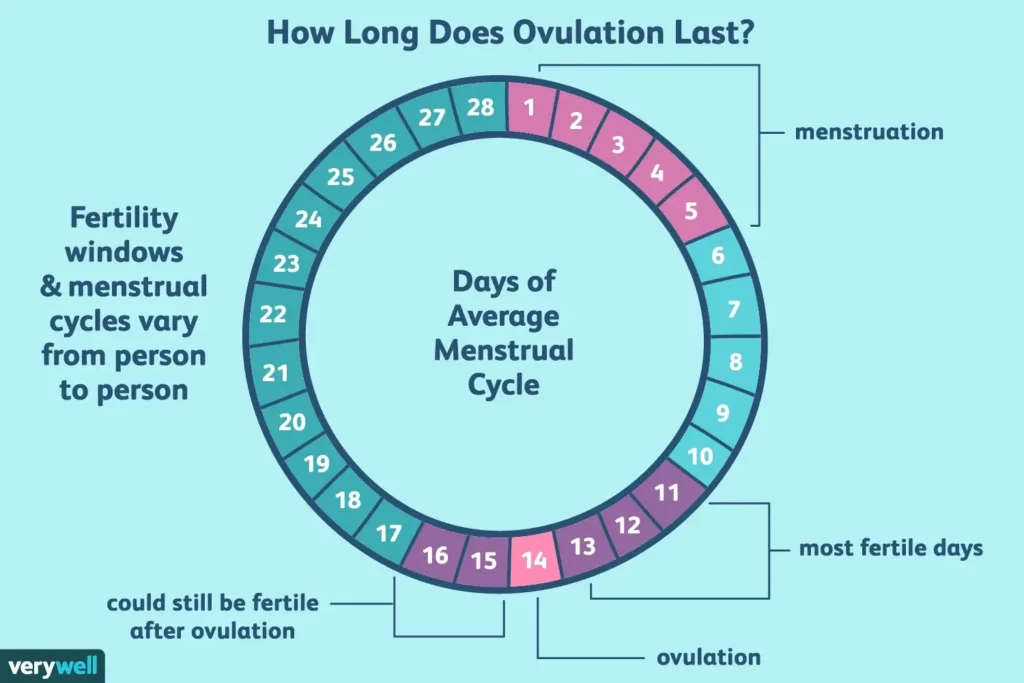
#4 – Know your cycle
Alright, let’s talk about one of the most crucial aspects of preparing for pregnancy: knowing your cycle.
You might think that all you need to know is when you’re ovulating, but there’s actually a lot more to it than that.
Understanding your menstrual cycle can help you identify potential issues, such as irregular periods, and determine the best time to try for a baby.
So, let’s get into the nitty-gritty.
What hormones are involved in the menstrual cycle?
The menstrual cycle is made up of four phases: the menstrual phase, the follicular phase, the ovulatory phase, and the luteal phase.
Each phase is regulated by different hormones, including oestrogen, progesterone, follicle-stimulating hormone (FSH), and luteinizing hormone (LH).
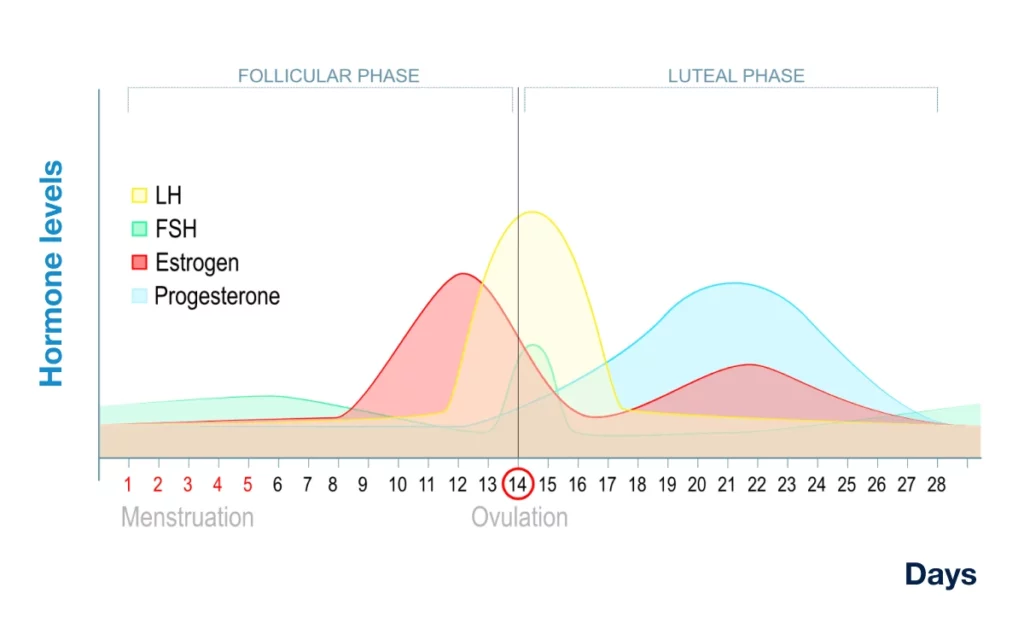
What are the phases of my cycle?
During the menstrual phase, which typically lasts about 3-7 days, the lining of the uterus sheds.
In the follicular phase, which lasts from day 1 of your cycle until ovulation, the body prepares to release an egg by producing follicles in the ovaries.
The ovulatory phase is when the egg is released and travels down the fallopian tube, and it typically occurs around day 14 of a 28-day cycle.
Finally, the luteal phase begins after ovulation and lasts until the start of the next menstrual cycle.
When in my cycle should I start trying for a baby?
Now, when it comes to getting pregnant, timing is everything.
The best time to try for a baby is during the ovulatory phase when the egg is released and can potentially be fertilised by sperm.
This usually occurs around day 14 of a 28-day cycle, but it can vary depending on the length of your cycle.
By tracking your menstrual cycle and identifying when you’re most likely to ovulate, you can increase your chances of getting pregnant.
So, whether you use an app, a calendar, or just a good old-fashioned observation, tracking your menstrual cycle is an essential part of preparing for pregnancy.

#5 – Get your partner involved
Preparing for pregnancy isn’t just your problem to solve.
It takes two to tango… and make a baby, so make sure your partner is involved and working toward the same goal.
The more support you offer each other, the better your chances of conceiving.
So, it’s time to get your partner on board and make this a team effort.
How can my partner prepare for pregnancy?
There are many ways your partner can get involved in preparing for pregnancy, and it all starts with healthy habits.
Encourage your partner to eat a healthy diet, exercise regularly, and get enough sleep.
It’s not just about their health, but their sperm health too!
Sperm quality can have a significant impact on fertility, so make sure they’re taking care of themselves.
Stress is another factor that can affect fertility.
Encourage your partner to find ways to manage their stress levels, whether it’s through exercise, meditation, or simply taking a break from work.
Stress can also affect their libido, so it’s essential to create a stress-free environment.
Remember, it’s not just about physical health.
Emotional support is also crucial during this journey.
Talk to your partner about your hopes and fears, and encourage them to talk about theirs so that you can both support each other on their journey.
Getting your partner involved in the preparation process can be a game-changer.
Teamwork really does make the dream work, and with their support, you’ll be one step closer to growing your family.

#6 – Quit smoking, drinking, and drugs
Quitting smoking, drinking and drugs… sounds self-explanatory and a no-brainer but it still surprises me how many people keep up these habits while they’re preparing for pregnancy.
These harmful habits can have a significant impact on your chances of conception, so it’s crucial to quit smoking and limit your alcohol intake before trying to conceive.
How do smoking and drugs affect my fertility?
Cigarettes and drugs contain harmful chemicals that can damage your reproductive system and make it more difficult to conceive.
Additionally, smoking and taking drugs during pregnancy can lead to complications such as premature birth, low birth weight, and even stillbirth.
So if you’re serious about starting a family, it’s time to put down the cigarettes and drugs for good.
Tips and tricks for quitting smoking to prepare for pregnancy:
- Create a quit plan: Set a quit date, plan for triggers, and come up with ways to manage cravings.
- Seek support: Reach out to friends, family, or a support group to help you stay accountable and motivated.
- Replace smoking with healthy habits: Try going for a walk, practising yoga, or drinking water instead of smoking when you feel the urge.
- Consider nicotine replacement therapy: NRT products such as gum, or lozenges can help manage cravings and withdrawal symptoms. Nicotine patches aren’t recommended because they deliver a stronger dose of nicotine than gum and lozenges.
- Avoid triggers: Stay away from people, places, or things that may tempt you to smoke.
- Practise self-care: Get enough sleep, eat healthy, and exercise regularly to reduce stress and improve your overall well-being.
- Stay positive: Remind yourself why you’re quitting and focus on the benefits of a smoke-free life, such as improved fertility, a healthier pregnancy, and a healthier baby.
Remember, quitting smoking can be challenging, but it’s worth it for the health of you and your future baby.
How does drinking alcohol affect my fertility?
While the occasional glass of wine is unlikely to impact your fertility, heavy alcohol consumption can have detrimental effects on both male and female fertility.
In women, alcohol consumption can disrupt hormone levels and lead to irregular periods, making it more challenging to conceive.
In men, alcohol can reduce sperm count and quality.
So, if you’re trying to conceive, it’s best to limit your alcohol intake or avoid it altogether.
Tips and tricks to limit or quit alcohol to prepare for pregnancy:
- Set a goal: Start by setting a goal for yourself, whether it’s to quit drinking altogether or to limit your intake to a certain amount per week.
- Avoid triggers: Avoid situations and people that may trigger your drinking. This could mean skipping a happy hour and spending time with friends who encourage heavy drinking.
- Find support: Enlist the support of friends and family members who understand your goals and can help keep you accountable.
- Stay busy: Distract yourself from the urge to drink by staying busy with hobbies or activities you enjoy.
- Try non-alcoholic alternatives: Explore non-alcoholic alternatives, such as mocktails or non-alcoholic beer and wine.
- Seek professional help: If you’re struggling to quit drinking on your own, consider seeking professional help, such as counselling or a support group.
It takes 3 months
It’s not just the mother-to-be who needs to make changes.
In fact, sperm, just like eggs, have a lifespan, and their quality can be affected by a variety of factors.
It’s important to note that it takes about 90 days for sperm to fully mature and renew.
So, if you’re planning on starting a family, your partner should start preparing at least 3 months before you start trying to conceive.
During these 3 months, your partner should focus on leading a healthy lifestyle, just like you.
This includes maintaining a healthy weight, eating a balanced diet, and getting regular exercise.
Additionally, your partner should avoid smoking and limit alcohol intake.
It’s important to note that sperm quality can be affected by a variety of environmental factors, such as exposure to chemicals or radiation.
Your partner should try to limit exposure to these substances as much as possible.
By taking these steps to improve the quality of sperm, your partner can help increase the chances of a successful pregnancy.
Both partners should be invested in the process of preparing for pregnancy.

#7 – Talk to your doctor
The dreaded doctor’s visit – the one thing most people tend to avoid until something is seriously wrong.
But when it comes to preparing for pregnancy, it’s actually one of the best things you can do.
Seeing your doctor before you start trying can give you a good idea of your fertility levels and what you can expect when you start trying to conceive.
It’s also a great opportunity to get your nutrient levels checked to make sure everything is in tip-top shape.
And it’s not just about you – it’s a good idea for your partner to get checked out too.
With a little bit of proactive planning, you’ll be ready to take on whatever comes your way.
This is especially important if you’re trying to have a baby in your thirties when fertility tends to go down.
I know it’s harsh… but true.
And if you’re still having trouble after all that, don’t worry – your doctor will have the right tools to help you.
They can provide guidance on further fertility testing and treatments that might be available.
Treatments such as medications or assisted reproductive technologies like IVF.
It’s a long treacherous road to take but you can always hire a doula to help you through the process.
Doulas are the support person you didn’t know you needed.
Let’s Make a baby!
Now you have all the tips and tricks you need for how to prepare for pregnancy.
By following these 7 steps, you’ll be well on your way to boosting your fertility and increasing your chances of a healthy pregnancy.
Remember to take it one step at a time, and don’t be afraid to ask for help along the way.
Whether it’s from your partner, your doctor, or your friendly neighbourhood fertility guru, there’s plenty of support out there for you.
So go ahead, eat your leafy greens, do some yoga, and get ready for the wild ride ahead.
Parenthood, here we come.
]]>This innovative tool has revolutionized how mothers experience labour and delivery, providing various benefits for mothers, partners and babies.
In this article, we’ll take a deep dive into the world of birthing slings, exploring what they are, their benefits, how to use them, and tips for choosing the right one.
I will also talk about a few first-hand experiences from mummas and partners and how they found using the birthing sling.
Get ready to learn how the birthing sling can transform your birth experience and take you one step closer to a positive and empowering birth journey.

What is a birthing sling?
Birthing slings may sound like a modern invention, but the concept of birthing in an upright position holding onto ropes of some sort, dates back centuries.
In fact, for much of human history, women gave birth while standing, squatting, or kneeling.
The concept of dangling or hanging in labour has been used in different cultures for centuries.
It wasn’t until the 16th century that the lithotomy position (lying on the back with feet in stirrups) became popularized by male doctors who found it easier to operate this way.
Fast forward to modern times, and we’re finally realizing that maybe men shouldn’t be calling the shots when it comes to birthing positions.
This is where the birthing sling comes in, a tool designed to support a mother in various upright positions during labour and delivery.
Simply put, a birthing sling is a fabric device that wraps around the mother’s hips, upper body, or back, supporting her weight and allowing her to move comfortably into different positions.
This can help to open up the pelvis, reduce pressure on the spine and perineum, and promote relaxation during contractions.
By using a birthing sling, women are reclaiming their right to birth in a way that feels most natural and comfortable to them, and they’re seeing some incredible benefits as a result.
So, if you’re ready to join the revolution and experience a better birth, let’s dive deeper into the world of birthing slings and see what all the fuss is about.
Benefits of using a birthing sling
Whoever said that birth is supposed to be a painful and traumatic experience obviously hasn’t heard of the birthing sling.
Not only does it provide a comfortable and secure place for mothers to give birth in an upright position.
It also comes with a host of benefits that can make the entire birthing process a lot easier for mumma, partner, and baby.
#1 – Reduces pain and pressure
Have you ever hung off something and just let your body dangle?
Maybe it was a monkey bar at the park or your partner’s strong arms after a long day at work.
Whatever it was, you probably felt an immense feeling of relaxation as your muscles and joints loosened up.
Well, imagine that same feeling during labour and delivery – that’s exactly what a birthing sling can provide.
By suspending the mother’s weight, the sling takes the pressure off the pelvis and spine, allowing the mother’s body to relax and open up more easily.
This means less pain and pressure during those intense contractions, making the birthing experience more manageable and enjoyable for both the mother and partner.
Plus, the increased mobility provided by the sling allows the mother to move and change positions more easily, which can further reduce pain and pressure.
#2 – Increases mobility
Who says you have to be confined to a bed during labour and birth?
Not us! With the use of a birthing sling, you can get up and move around, promoting better mobility for both you and your baby.
Being upright and mobile during labour has been shown to help reduce the duration of labour and even decrease the likelihood of needing interventions like forceps or vacuum extraction.
And with a birthing sling, you don’t have to worry about losing your balance or feeling unsupported.
This innovative tool provides a comfortable and safe way to move and change positions, helping you and your little one have the most positive birth experience possible.
So, say goodbye to being stuck in bed and hello to the freedom and mobility of the birthing sling.

#3 – Promotes relaxation
A birthing sling can help mummas-to-be relax during labour and delivery in a number of ways.
Firstly, the sling provides support for the mother’s body, taking the pressure off the lower back and allowing her to relax fully.
Plus, being in a comfortable upright position can also help the mother feel more in control and confident, which can help reduce anxiety and promote relaxation.
Additionally, the sling allows for easy movement and shifting of positions, which can help alleviate any discomfort and encourage relaxation.
When you’re in labour, every little bit of relaxation counts.
#4 – Helps baby get into position
Let’s get real here.
Nobody wants their baby to be in the wrong position during labour and delivery.
That’s where the birthing sling comes in handy.
By allowing mothers to stay upright and move around freely during labour, the sling helps the baby get into the optimal position for birth.
And let’s not forget about gravity, folks.
It’s a powerful force that can work wonders during childbirth.
By staying upright, you’re allowing gravity to do its thing and bring your baby down into the birth canal and out into the world to meet you.
#5 – Promotes partner involvement
During labour and birth, the partner often ends up being the “birthing sling,” with mumma hanging off them like a baby monkey.
But let’s be honest, this can get tiring for the partner and can lead to a sore back the next day.
This is where the birthing sling comes in!
It allows the partner to free up their hands to offer support and encouragement while also giving them a chance to rest their arms and back.
The partner can offer other forms of support, such as massaging the mother’s back, holding her hand, or fetching her water.
This way, the partner can stay involved in the birth experience without sacrificing their physical comfort.
It’s a win-win situation for both mumma and their partner.
Plus, with the birthing sling taking over as the support system, the partner can focus on being present in the moment and connecting with mumma.
This creates a more positive and intimate birth experience for both of them.
How to use a birthing sling
So how do you use a birthing sling?
Don’t worry, it’s not rocket science.
First, you need to set it up.
Some birthing slings come with a ceiling anchor, but the most popular and easiest to use is the over-the-door anchor.
Just make sure you use it on a door that can be locked and won’t be needed by anyone else while you’re in labour.
Once it’s set up, the fun begins!
You can try a variety of positions, like the deep squat, standing up and backward lean, forward lean, kneeling positions, and even using the birth ball with the birthing sling.
The possibilities are endless!
But, to make sure you get the most out of your birthing sling, I recommend testing it out before labour begins.
Get a feel for how to adjust it and find some positions that work for you.
And, just to be on the safe side, make sure you follow the manufacturer’s instructions as well.
We don’t want any sling-related mishaps during labour.
Tips for choosing the right birthing sling
So, you’re sold on the idea of a birthing sling, and you want to get one for yourself.
But how do you choose the right one?
Well, there are a few factors to consider.
First off, you want to make sure the material is comfortable for you.
You don’t want to be hanging around in a scratchy fabric.
Size is also important, as you want to ensure the sling can accommodate your growing belly.
And lastly, weight capacity is a key factor.
But how do you know if a sling is the right fit for you?
Well, the best way is to test out different slings and see which one works best for you.
You can ask your doula or midwife for recommendations or even try them out at a local birthing centre or store.
There are also a number of online stores depending on where you are in the world.
The Birth Sling is one of the most popular ones on the market globally right now, made in Australia by an Osteopath and Birth doula.
Don’t be afraid to get a little hands-on and see which ones feel comfortable and easy to use.
Remember, the right birthing sling can make all the difference in your birth experience, so take the time to find the one that works best for you.
Real-life stories
As a birth doula who has used birthing slings with clients, I can attest to the amazing benefits they provide during labour and delivery.
One mother I worked with had been labouring for hours, feeling exhausted and frustrated.
We decided to try using the birthing sling to see if it would offer her some relief.
The moment she was able to relax into the sling, she let out a huge sigh of relief.
The weight was taken off her feet, and she was able to rest in between contractions.
The sling also allowed her to move and sway in ways that would have been difficult without it.
Another mother I worked with had a long and difficult labour.
When it came time to push, she was feeling incredibly fatigued and didn’t feel like she had the strength to do it.
We used the birthing sling to support her weight and help her find a comfortable pushing position.
Within minutes of using the sling, she was able to push with more ease and energy.
Her partner was also able to get involved in the birth by supporting her from behind while she leaned into the sling.
These real-life stories are just a couple of examples of how birthing slings can enhance the birth experience for both the mother and partner.
It’s amazing to see how a simple tool like the birthing sling can make such a difference in the labour and delivery process.
It’s time to put the birthing sling to the test
To wrap it up – using a birthing sling during labour and delivery can be a game-changer for both the mother and partner.
It promotes relaxation, reduces pain and pressure, and increases mobility during labour, leading to a more positive birth experience overall.
Don’t forget about the many positions you can labour in with the help of your birthing sling.
You can birth in positions, including front and back leaning, deep squatting, and kneeling, both normal and asymmetrical.
These positions can help open up your hips and move your baby down.
The birthing sling also allows partners to be more involved in the birth experience, freeing up their hands to offer support in other ways.
From hand holding and back rubs, to acupressure, your partner can be your own personal cheerleader (without the crippling back pain).
So, if you’re pregnant and preparing for labour and delivery, consider adding a birthing sling to your birth plan and birth bag.
Remember to choose a sling that is the right size, material, and weight capacity for you and to test it out before labour begins.
And if you’re not sure, you can ask your doula if they have one in their bag of goodies.
It’s worth exploring the many positions and ways that you can use the sling during labour to find what works best for you.
With a birthing sling, you can step into the future of birthing and transform your birth experience into a positive and empowering journey.
]]>